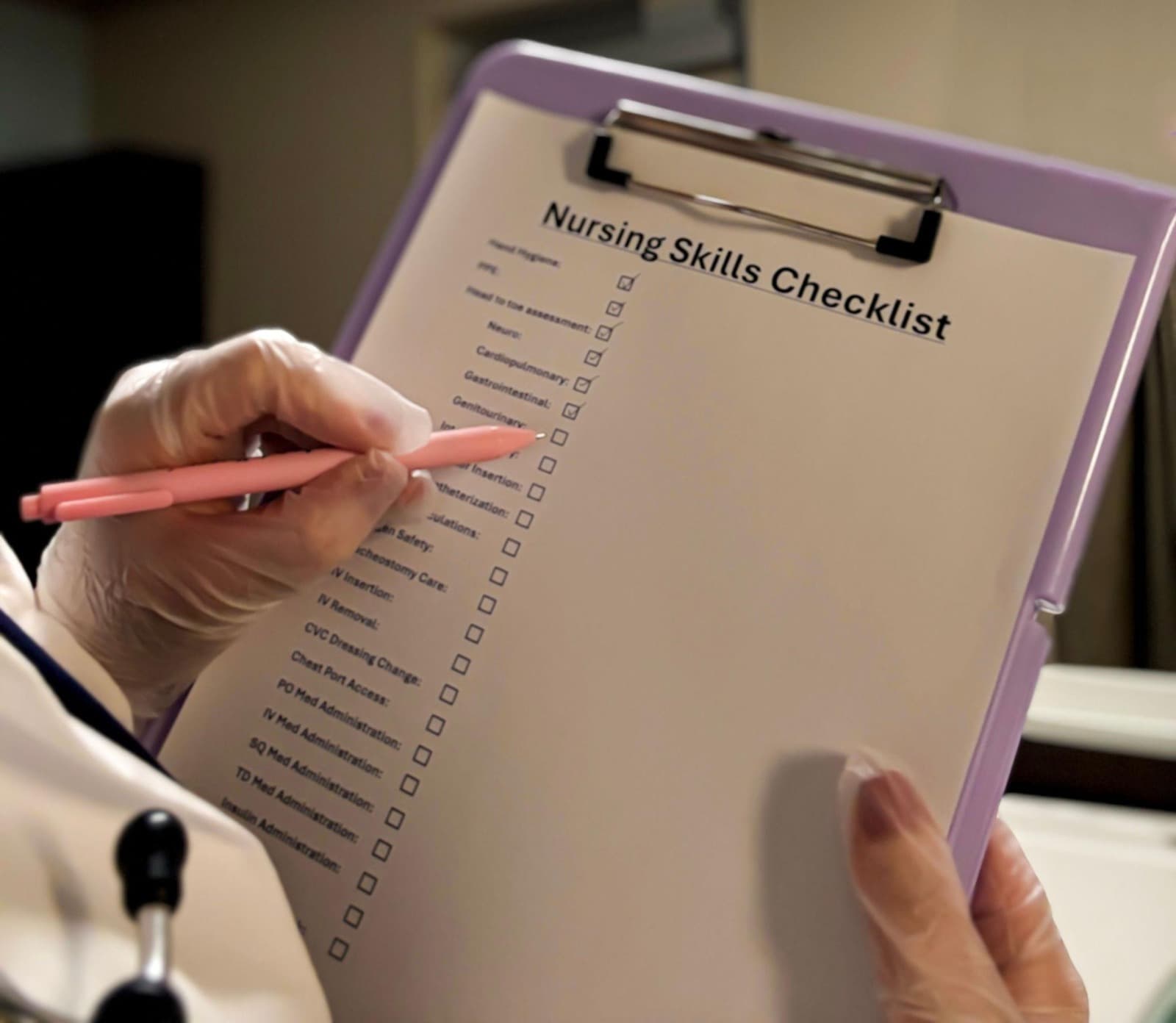
Having led and been part of multiple Magnet Document completion work, I know some best practices that help.
When people ask me what it is like to write a Magnet document, I smile and say, "Think of it like birthing a baby." To produce the FINAL VERSION, it takes roughly 9 months — and every step requires vision, patience, and a lot of teamwork.
Here is what I have learned along the way:
Build the Document Team
Magnet Document Writing is Teamwork!
The first step is building a strong document team. Clear roles, responsibilities, and expectations are essential. Without a strong foundation, it is easy to get lost in the mountain of stories, data, and requirements. Other than the MPD, the team includes content experts who are knowledgeable about the Magnet standard requirements:
- Writers
- Data analysts
- Project managers
- Reviewers
- Editors
- Coordinator
- Administrative assistant
- Magnet analyst
- Final Approver: The CNO
Hunt, Gather, and Organize Evidence
I remember the countless hours of gathering stories, aligning outcomes, and cross-checking data with standards. It felt like putting together a giant puzzle — each piece mattered, and together they told the story of excellence.
Write, Review, and Rewrite
Drafts evolved through multiple layers of review — content, intent, structure, and grammar. The goal was always the same: make it acute, clear, concise, and compelling. And of course, highlight the people still within the organization — the living heart of the Magnet story.
Time Per Standard
On average, each standard narrative with evidence and graphs takes 4–8 hours to write and an additional 1–3 hours for content review, editing, formatting, and finalizing. Multiply that across dozens of standards, and the scale of effort becomes clear.
How Big the Document Gets
A Magnet document is massive! It is like writing a large book.
- Narrative only: 800–1,200+ pages
- Including evidence, charts, graphs, and appendices: 2,000–3,000+ pages
This highlights why planning, momentum, and a strong document team are essential for success.
Momentum Matters
This is not a sprint — it is a marathon. To keep the team motivated, I set mini-deadlines ahead of the real deadline and celebrated milestones along the way. Momentum was our lifeline!
Role of the MPD
At the end of the day, the Magnet Program Director becomes "The Thread" — tying together stories, outcomes, and data into one cohesive narrative. It is both an art and a science.
What the Document Really Represents
Looking back, I realize the document is not just a submission — it is a reflection of culture, resilience, and the people who make nursing excellence possible. That is what makes the journey so meaningful.
Disclaimer: The views expressed are solely my own, gathered along the learning journey and intended for professional learning and reflection. They do not represent any organization, group or individual directly or indirectly affiliated. This should not be taken as clinical or legal advice.